How to White-Label Your Software: A Customization Guide for Every Industry
Learn how to successfully customize and brand a white-label platform for different industries. Step-by-step guide, real-world examples, and actionable strategies included.
Mewayz Team
Editorial Team
Unlocking the Power of White-Label Customization
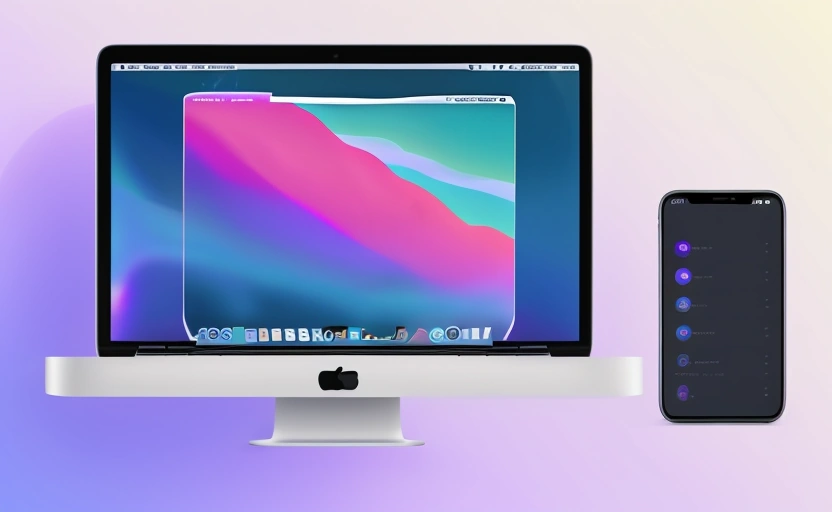
White-label software has revolutionized how businesses deliver digital solutions. Imagine having a powerful, fully-featured platform like Mewayz—with its 208 modules spanning CRM, invoicing, HR, and analytics—that you can completely rebrand as your own. The global white-label SaaS market is projected to reach $110 billion by 2026, growing at a CAGR of 14.2%. This isn't just about slapping a logo on someone else's product; it's about creating a seamless, branded experience that addresses specific industry pain points. Whether you're serving healthcare providers needing patient management tools or marketing agencies requiring client dashboards, effective customization can transform a generic platform into your competitive advantage.
The real magic happens when you understand that different industries have vastly different needs. A construction company needs project tracking and equipment management, while a consulting firm prioritizes time tracking and client billing. By strategically customizing a white-label platform, you can deliver precisely what each vertical market requires without building from scratch. This approach saves up to 70% in development costs compared to creating proprietary software, while still allowing you to establish your brand as a technology leader in your niche.
Understanding Industry-Specific Requirements
Before you can effectively customize a white-label platform, you need to deeply understand the industries you're targeting. Each sector has unique workflows, compliance requirements, and user expectations that must inform your customization strategy. For example, healthcare organizations need HIPAA-compliant data handling, while financial services require robust audit trails and security protocols. Conducting thorough market research and creating detailed user personas for each target industry will help you identify which features to emphasize, modify, or potentially hide.
Consider conducting interviews with potential clients in your target industries. Ask about their daily workflows, pain points with current solutions, and wish-list features. This qualitative data is invaluable for making informed customization decisions. Additionally, analyze your competitors' offerings to identify gaps in the market. Perhaps accounting firms need more granular permission settings for multi-partner practices, or e-commerce businesses require specialized inventory management features. The more precisely you understand these requirements, the more effectively you can tailor your white-label solution.
Key Questions to Identify Industry Needs
When researching different industries, focus on these critical questions: What regulatory requirements must the software comply with? What integrations are essential (payment processors, industry-specific software)? How tech-savvy are the typical users? What reporting and analytics are most valuable? What are the primary workflows that need to be supported? Answering these will provide a solid foundation for your customization roadmap.
Strategic Branding Beyond the Logo
Many businesses make the mistake of thinking white-label branding is just about adding their logo and changing color schemes. While visual identity is important—studies show consistent branding can increase revenue by up to 23%—true branding goes much deeper. It's about creating an experience that feels native to your company and resonates with your target audience. This includes custom terminology that matches industry jargon, workflows that align with how your clients operate, and communication that reflects your brand voice.
For instance, if you're customizing Mewayz for the education sector, you might rename "clients" to "students" and "projects" to "courses." For a legal practice, "cases" might replace "projects" and "billable hours" could become a prominent feature. These seemingly small changes significantly impact user adoption and satisfaction. Additionally, consider customizing email templates, notification messages, and even error messages to match your brand's tone. A platform that speaks your industry's language feels less like off-the-shelf software and more like a solution built specifically for your clients.
Essential Customization Components
When preparing to white-label a platform, focus on these critical customization areas that impact user experience and brand perception:
- Visual Identity: Logo, color schemes, fonts, favicon, login screens, and dashboard themes
- Terminology: Custom labels for modules, buttons, menu items, and notifications
- Workflow Configuration: Default settings, required fields, and process flows tailored to industry standards
- Module Selection: Activating only relevant modules while hiding irrelevant ones to reduce complexity
- Integration Setup: Pre-configuring connections to industry-specific tools and services
- Reporting Templates: Custom dashboards and reports that highlight metrics important to each industry
Each of these components requires careful planning. For example, a marketing agency might prioritize social media analytics and client reporting modules while hiding payroll features. A manufacturing company might emphasize inventory management and supply chain tracking. The goal is to create a focused experience that addresses the core needs of each industry without overwhelming users with irrelevant options.
A Step-by-Step Customization Process
Successfully white-labeling a platform requires a methodical approach. Follow these steps to ensure a smooth customization process that delivers maximum value:
- Define Your Target Industries: Start by selecting 1-3 industries you want to serve. Avoid trying to be everything to everyone—focus yields better results.
- Conduct Industry Research: Interview potential clients, analyze competitors, and identify key requirements and pain points for each industry.
- Map Features to Needs: Create a matrix matching platform capabilities (like Mewayz's 208 modules) to specific industry requirements.
- Plan Visual Customizations: Develop a branding guide including color palettes, logo usage, and interface elements that align with your brand and industry expectations.
- Configure the Platform: Use the white-label admin tools to implement your customizations—this is where Mewayz's flexible architecture shines.
- Test with Beta Users: Recruit 5-10 users from your target industry to test the customized platform and provide feedback.
- Refine Based on Feedback: Iterate on your customization based on real user experiences before full launch.
- Develop Onboarding Materials: Create industry-specific tutorials, documentation, and training resources.
This structured approach ensures you don't overlook critical elements and delivers a polished, effective solution. Budget 4-8 weeks for the initial customization process, depending on the complexity of your requirements.
Industry-Specific Customization Examples
Seeing how customization works in practice helps clarify the possibilities. Let's examine three different industries and how you might tailor a white-label platform for each:
Healthcare: For medical practices, patient privacy is paramount. You'd emphasize HIPAA-compliant features, customize terminology ("patients" instead of "clients"), implement robust permission settings for different staff roles, and integrate with common medical software. Appointment scheduling would be a highlighted feature, while irrelevant modules like project management might be hidden. The color scheme might use calming blues and greens associated with healthcare.
💡 DID YOU KNOW?
Mewayz replaces 8+ business tools in one platform
CRM · Invoicing · HR · Projects · Booking · eCommerce · POS · Analytics. Free forever plan available.
Start Free →Real Estate: Property management requires specific tools. You'd customize the platform to highlight property listings, tenant management, maintenance requests, and commission tracking. Integrations with MLS systems and electronic signature services would be essential. Terminology would shift to "properties," "tenants," and "leases" instead of generic business terms. The interface might feature imagery and colors that evoke professionalism and trustworthiness in the real estate sector.
Creative Agencies: For marketing and design firms, you'd emphasize project management, client collaboration, and portfolio display. Time tracking and billing features would be prominent, with customization to handle retainer agreements and project-based pricing. The visual design might be more creative and vibrant compared to corporate-focused industries. Integrations with design tools and social media platforms would be prioritized.
The most successful white-label implementations aren't just rebranded—they're reimagined for specific vertical markets. Customization should make the platform feel like it was built from the ground up for each industry.
Technical Considerations and Best Practices
While customization offers tremendous flexibility, it's important to approach it with technical best practices in mind. First, ensure that your white-label provider offers robust API access (like Mewayz's $4.99/module API pricing) for deeper integrations. This allows you to connect the platform with industry-specific tools that may not be available as pre-built integrations. Additionally, consider performance implications—each customization should enhance rather than hinder the user experience.
Security is another critical consideration. When customizing for regulated industries like finance or healthcare, verify that your white-label provider maintains appropriate certifications and compliance standards. Regular updates from the platform provider are essential for security and feature enhancements, so ensure your customization approach allows for seamless updates without breaking your modifications. Document all customizations thoroughly to simplify future updates and troubleshooting.
Measuring Customization Success
How do you know if your white-label customization efforts are effective? Track these key metrics across your different industry implementations:
- User Adoption Rate: What percentage of target users actively use the platform?
- Feature Utilization: Which customized features are used most frequently?
- Customer Satisfaction: Measure via surveys and Net Promoter Score (NPS).
- Support Ticket Volume: Fewer tickets may indicate better usability.
- Retention Rates: Are clients sticking with your customized solution?
Establish baseline metrics before launching your customized platform, then track improvements over time. For example, if you notice low adoption of a particular feature, it might need better positioning or additional customization. Regular feedback loops with users will help you continuously refine your approach and ensure the platform evolves with changing industry needs.
Future-Proofing Your White-Label Strategy
The business landscape evolves rapidly, and your white-label strategy must adapt accordingly. Stay informed about emerging trends in your target industries—new regulations, technological advancements, and shifting customer expectations. Build relationships with your white-label provider to stay ahead of platform updates and new features that could benefit your clients. Consider creating an advisory board with representatives from each industry you serve to provide ongoing input.
As you grow, you might identify opportunities to develop industry-specific add-ons or integrations that further differentiate your offering. The modular nature of platforms like Mewayz makes this expansion feasible without starting from scratch. Remember that successful white-labeling is an ongoing process of refinement and adaptation, not a one-time project. By staying agile and responsive to industry changes, your customized platform will continue to deliver value for years to come.
Frequently Asked Questions
How much does it typically cost to white-label a platform like Mewayz?
Mewayz offers white-label plans starting at $100/month, which includes basic branding. Additional customization costs vary based on complexity but typically range from $1,000-$5,000 for comprehensive industry-specific modifications.
Can I customize a white-label platform for multiple industries simultaneously?
Yes, but it's recommended to focus on one industry at a time for optimal results. Each vertical requires different configurations, terminology, and feature emphasis to feel truly tailored.
How long does the white-label customization process take?
A basic rebranding can be completed in 1-2 weeks, while comprehensive industry-specific customization typically takes 4-8 weeks, including testing and refinement phases.
Will customizations be affected when the platform receives updates?
Reputable white-label providers like Mewayz ensure that core customizations (logos, colors, terminology) persist through updates. More complex modifications may require verification after major updates.
Can I revert customizations if they don't work for my clients?
Yes, most white-label platforms allow you to modify or revert customizations. It's best to test with a small group before rolling out changes to all clients.
All Your Business Tools in One Place
Stop juggling multiple apps. Mewayz combines 208 tools for just $49/month — from inventory to HR, booking to analytics. No credit card required to start.
Try Mewayz Free →Try Mewayz Free
All-in-one platform for CRM, invoicing, projects, HR & more. No credit card required.
Related Guide
Mewayz for Agencies →Client management, project delivery, retainer billing, and white-label options — built for agencies.
Get more articles like this
Weekly business tips and product updates. Free forever.
You're subscribed!
Start managing your business smarter today
Join 30,000+ businesses. Free forever plan · No credit card required.
Ready to put this into practice?
Join 30,000+ businesses using Mewayz. Free forever plan — no credit card required.
Start Free Trial →Related articles
Agency Solutions
Beyond Break-Fix: How IT Service Providers Profit from Business Software Bundles
Mar 10, 2026
Agency Solutions
How to Build a Thriving Partner Ecosystem for Your White-Label Platform
Mar 10, 2026
Agency Solutions
Scaling Franchise Success: How Consultants Leverage White-Label Software
Mar 10, 2026
Agency Solutions
Agency vs. SaaS: Why Your Business Thrives When You Combine Both Models
Mar 10, 2026
Agency Solutions
Why MSPs Are Adding White-Label Business Tools To Their Stack
Mar 10, 2026

Agency Solutions
Beyond the Balance Sheet: How Accounting Firms Are Winning with Branded Software
Mar 10, 2026
Ready to take action?
Start your free Mewayz trial today
All-in-one business platform. No credit card required.
Start Free →14-day free trial · No credit card · Cancel anytime