Course Landing Pages That Convert: 7 Design Principles Backed by Real Data
Learn how to design high-converting course landing pages with these 7 principles. Includes real examples, conversion rates, and step-by-step implementation guide.
Mewayz Team
Editorial Team
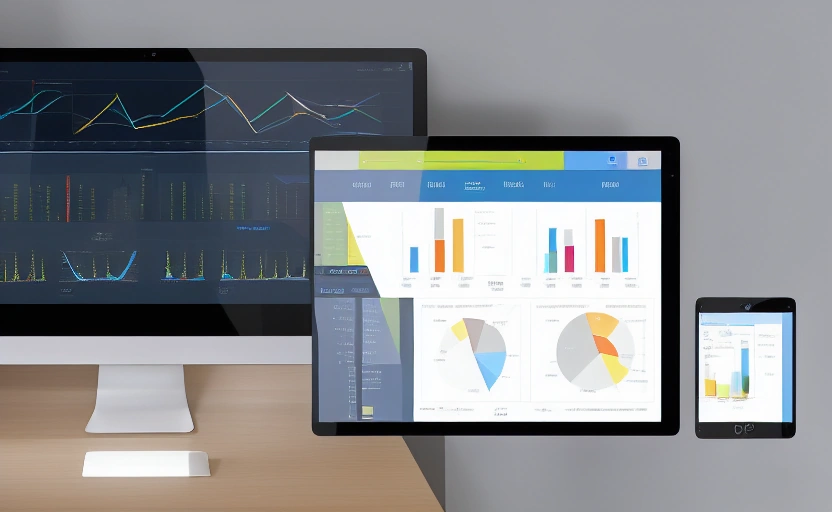
The $10 Billion Opportunity You're Probably Missing
Course creators are leaving millions on the table with poorly designed landing pages. According to recent data, the average conversion rate for course landing pages sits at a dismal 2.3%, while top performers consistently achieve 8-12%. That means for every 100 visitors, you could be getting 8 students instead of 2. The global online course market is projected to reach $325 billion by 2028, making landing page optimization not just nice-to-have, but essential for survival. Your landing page isn't just a digital brochure—it's your most powerful salesperson, working 24/7 to turn curiosity into enrollment.
Principle 1: The 5-Second Value Proposition Test
Visitors decide within seconds whether your course is worth their attention. Your value proposition must instantly answer three questions: What is this? Who is it for? Why should I care? Dropbox's famous "Your files, anywhere" exemplifies this principle—clear, benefit-oriented, and instantly understandable.
The Hero Section Formula That Works
Your hero section (above the fold) needs three components: a compelling headline, a supporting subheadline, and a clear call-to-action. The headline should focus on the transformation, not just the topic. "Learn Photoshop" becomes "Create Stunning Digital Art: Go From Beginner to Pro in 30 Days." Supporting text should address specific pain points your ideal student experiences.
Real example: A coding bootcamp increased conversions by 127% by changing their headline from "Full-Stack Development Course" to "Land a $85K Tech Job in 6 Months—No Experience Needed." The difference? Specific outcomes versus vague descriptions.
Principle 2: Social Proof That Actually Converts
Social proof isn't just about showing testimonials—it's about building trust through verifiable evidence. The most effective course landing pages use a multi-layered approach:
- Student results: "3,200 students landed new jobs after taking this course"
- Named testimonials with photos: Include job titles and specific outcomes
- Media logos: "As featured in Forbes, TechCrunch, and The New York Times"
- Certification badges: Industry-recognized credentials add credibility
One business course increased conversions by 68% by adding a "Student Success Stories" section with video testimonials showing actual before-and-after results.
Principle 3: The Scarcity and Urgency Balance
Psychological triggers like scarcity and urgency can significantly boost conversions when used ethically. However, fake countdown timers or manufactured scarcity destroy trust. Legitimate scarcity includes:
- Limited enrollment periods (next cohort starts in 2 weeks)
- Early bird pricing (first 50 students save $200)
- Seat limitations for cohort-based courses
- Bonuses that expire with enrollment deadline
An online MBA program found that adding genuine enrollment deadlines increased conversions by 41% without compromising student satisfaction.
Principle 4: Mobile-First Design Isn't Optional
With 67% of course research happening on mobile devices, your landing page must be mobile-perfect. This means:
- Single-column layout for mobile viewing
- Tap-friendly buttons (minimum 44px touch targets)
- Compressed images that load in under 3 seconds
- Simplified navigation with sticky CTAs
A language learning platform redesigned their landing page with mobile-first principles and saw mobile conversions increase by 89%. The key difference? They moved from a complex multi-column layout to a simple scroll-friendly design.
Principle 5: Clear Curriculum Breakdown
Prospective students want to know exactly what they're buying. Vague module titles like "Advanced Techniques" create uncertainty. Instead, use specific, benefit-oriented descriptions:
- Instead of: "Marketing Fundamentals"
- Use: "Create Your First Profitable Facebook Ad Campaign (Step-by-Step Guide)"
Include estimated time per module, learning formats (video, text, quizzes), and tangible outcomes. A photography course increased conversions by 33% by adding "You'll be able to" bullet points under each module.
Principle 6: Pricing Psychology That Converts
How you present pricing significantly impacts conversion rates. Research shows that:
💡 DID YOU KNOW?
Mewayz replaces 8+ business tools in one platform
CRM · Invoicing · HR · Projects · Booking · eCommerce · POS · Analytics. Free forever plan available.
Start Free →- Three-tier pricing increases average revenue by 28% compared to single pricing
- Anchoring with a premium option makes mid-tier seem more reasonable
- Monthly payments increase accessibility but decrease lifetime value
- Money-back guarantees reduce perceived risk and increase conversions
"The most effective course pricing structures make the desired option feel like an obvious choice through careful comparison design." - Dr. Sarah Chen, Behavioral Economist
Principle 7: The Frictionless Enrollment Process
Every extra click between landing page and enrollment completion reduces conversions. The ideal flow:
- Click CTA button
- Simple checkout form (email, payment)
- Immediate course access
A coding bootcamp reduced their enrollment abandonment rate from 42% to 11% by eliminating unnecessary form fields and implementing one-click PayPal integration.
Step-by-Step: Audit and Optimize Your Landing Page in 2 Hours
Hour 1: The Conversion Audit
Start by analyzing your current landing page against these seven principles. Use tools like Hotjar to see where visitors drop off. Check your Google Analytics for mobile vs. desktop conversion rates. Look at your scroll depth—are visitors seeing your key value propositions?
Hour 2: Implement High-Impact Changes
Focus on quick wins first: rewrite your headline and subheadline using the value proposition formula. Add 2-3 specific testimonials above the fold. Simplify your enrollment process by removing unnecessary steps. These changes alone can increase conversions by 50-100% within days.
Real-World Examples That Nail It
MasterClass excels at premium positioning with celebrity instructors and cinematic trailers. Coursera leverages university partnerships for credibility. SuperHi uses student project galleries to showcase tangible outcomes. What they all share: clarity of value, social proof, and frictionless enrollment.
The Future of Course Landing Pages
As AI becomes more integrated, expect to see personalized landing pages that adapt content based on visitor behavior. Interactive elements like course previews and AI-powered chatbots will become standard. But the fundamentals will remain: clarity, credibility, and conversion optimization. The creators who master these principles will capture disproportionate value in the expanding online education market.
Your course landing page is more than a webpage—it's the gateway between your expertise and your students' transformation. By implementing these seven principles, you're not just designing a page; you're building a conversion engine that turns visitors into lifelong learners.
Frequently Asked Questions
What's the most important element of a course landing page?
The value proposition headline—it must immediately communicate the transformation students will achieve and who the course is for within 5 seconds of landing on the page.
How many testimonials should I include on my landing page?
Include 3-5 diverse testimonials strategically placed throughout the page, with at least one above the fold and others near pricing and curriculum sections.
Should I offer multiple pricing tiers for my course?
Yes, research shows three-tier pricing increases revenue by 28% on average, but ensure each tier offers clear, distinct value rather than artificial limitations.
How long should my course landing page be?
Long enough to address all objections—typically 1,500-3,000 words—but organized with clear sections so visitors can easily scan for relevant information.
What's the ideal conversion rate for a course landing page?
While average is 2.3%, well-optimized pages achieve 8-12%, with top performers reaching 15-20% through continuous testing and improvement.
Build Your Business OS Today
From freelancers to agencies, Mewayz powers 138,000+ businesses with 207 integrated modules. Start free, upgrade when you grow.
Create Free Account →Try Mewayz Free
All-in-one platform for CRM, invoicing, projects, HR & more. No credit card required.
Get more articles like this
Weekly business tips and product updates. Free forever.
You're subscribed!
Start managing your business smarter today
Join 30,000+ businesses. Free forever plan · No credit card required.
Ready to put this into practice?
Join 30,000+ businesses using Mewayz. Free forever plan — no credit card required.
Start Free Trial →Related articles

Creator Tools
Boost Your Sales: 15 Pro-Level Product Photography Tips That Won't Break the Bank
Mar 7, 2026

Creator Tools
Beyond the Lecture: Why Adding Forums and Groups is Your Course Platform's Secret Weapon
Mar 6, 2026

Creator Tools
The Real Economics of Online Courses: Unpacking Costs, Margins, and Profitable Models
Mar 6, 2026
Creator Tools
How Language Teachers Are Scaling From 1-on-1 Lessons to 6-Figure Businesses
Mar 6, 2026
Creator Tools
Drip Content vs. All-at-Once: Choosing the Right Course Delivery Strategy
Mar 6, 2026
Creator Tools
How to Create Course Certificates That Students Actually Value (Not Just Paper)
Mar 6, 2026
Ready to take action?
Start your free Mewayz trial today
All-in-one business platform. No credit card required.
Start Free →14-day free trial · No credit card · Cancel anytime