How Modern Construction Companies Are Slashing Costs and Delivering Projects On Time
Learn how leading construction firms use integrated software to track projects, timesheets, and costs in real-time, boosting profitability and client satisfaction.
Mewayz Team
Editorial Team
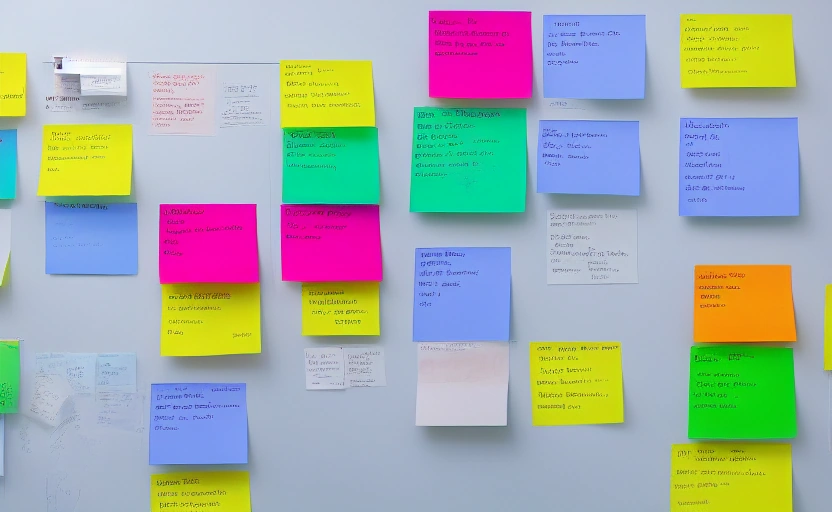
An excavator sits idle for an hour because a permit wasn't cleared. A crew logs overtime because material delivery was delayed. A project manager discovers a 15% budget overrun only after the client's final invoice is due. For decades, these were the accepted inefficiencies of the construction industry—a patchwork of paper timesheets, Excel spreadsheets, and frantic phone calls that left profitability to chance. But that era is over. Today, the most successful construction companies aren't just builders; they are data-driven operators who track every minute, material, and milestone with surgical precision. They've moved beyond reactive guesswork to proactive control, and in doing so, they are consistently delivering projects faster and under budget. This is the new blueprint for construction management.
The High Stakes of Construction Tracking
In an industry where the average net profit margin hovers between 2-5%, even small tracking errors can erase an entire project's profitability. A misplaced timesheet, an unaccounted-for material cost, or a missed change order doesn't just create a paperwork headache—it directly impacts the bottom line. The traditional method of managing projects with disparate systems creates information silos. The accounting team has the costs, the site supervisor has the progress updates, and the project manager is stuck in the middle trying to stitch it all together. This lack of a single source of truth is a recipe for costly miscommunication and delays.
The modern alternative is an integrated business operating system that unifies project management, time tracking, and financials. This approach provides a holistic, real-time view of a project's health, allowing leaders to make informed decisions before small issues become major financial crises. For construction firms, this isn't just a convenience; it's a competitive necessity for survival and growth in a high-risk market.
Core Method 1: Real-Time Project Progress Tracking
Tracking a construction project is about more than just marking a percentage complete. It's about understanding the interdependencies of tasks, resource allocation, and potential bottlenecks. Modern tracking moves beyond the Gantt chart to provide a dynamic, living overview of the project.
From Gantt Charts to Live Dashboards
While Gantt charts are still useful for initial planning, they often become outdated the moment the first unexpected delay occurs. Leading companies now use digital dashboards that aggregate data from the field. Supervisors can update task completion from a mobile device, and that data instantly flows to a central dashboard that shows the project's status against the baseline schedule. This allows project managers to see at a glance if critical path tasks are slipping and reallocate resources immediately.
Document and Change Order Management
A significant source of delay and dispute is poor document control. RFIs, submittals, and change orders must be tracked meticulously. Integrated systems log every document, assign responsibility, and set deadlines. When a change order is approved, the system can automatically update the project budget and schedule, ensuring financial tracking remains accurate and preventing revenue leakage.
Core Method 2: Accurate Labor and Timesheet Management
Labor is often the single largest cost on a construction project, making accurate time tracking non-negotiable. Manual, paper-based timesheets are prone to errors, delays, and even intentional misreporting. Digitizing this process is a game-changer for payroll accuracy and job costing.
Mobile Time Tracking for the Field
Crews can clock in and out directly from their smartphones, selecting the specific job and cost code for their work. This eliminates the lag and errors associated with paper timesheets that are collected at the end of the week. GPS verification can confirm employees are on the correct job site, and supervisors can approve hours in real-time.
Integrating Time with Payroll and Job Costing
The true power of digital timesheets is realized through integration. When the tracking system is connected to payroll, hours are automatically processed, slashing administrative time. More importantly, when integrated with job costing, every labor hour is instantly allocated to the correct project. This provides an up-to-the-minute view of labor costs versus budget, allowing project managers to see if a task is taking longer than estimated and investigate why.
Core Method 3: Granular Cost and Budget Control
Construction cost tracking must account for a complex web of expenses: labor, materials, equipment, subcontractors, and soft costs. Without a centralized system, costs are recorded in different places, making it impossible to get a real-time picture of financial health until it's too late.
💡 DID YOU KNOW?
Mewayz replaces 8+ business tools in one platform
CRM · Invoicing · HR · Projects · Booking · eCommerce · POS · Analytics. Free forever plan available.
Comece grátis →The Power of the Project Budget vs. Actuals
The cornerstone of financial control is the budget vs. actuals report. An effective system allows you to set a detailed budget for each project, broken down by cost type and phase. As invoices are received, materials are purchased, and labor is logged, the system automatically populates the "actuals" column. Project managers can run this report daily to see if they are on track, identifying overruns early when corrective action is still possible.
Tracking Subcontractors and Purchase Orders
Managing subcontractors and material purchases is a major vulnerability. An integrated system allows you to issue purchase orders with defined budgets and track invoices against them. When a subcontractor submits an invoice, it can be matched against the PO and the committed cost, preventing billing errors and ensuring payments align with the project's financial plan.
The Step-by-Step Guide to Implementing an Integrated Tracking System
Transitioning from a fragmented system to an integrated one requires a clear plan. Rushing the implementation can lead to resistance and data errors. Follow these steps for a smooth rollout.
- Conduct a Process Audit. Before selecting software, map out your current workflows for project tracking, timesheets, and cost management. Identify the biggest pain points and data gaps.
- Choose a Unified Platform. Select a platform like Mewayz that offers modules for CRM, project management, invoicing, and time tracking in one system. Avoid piecing together multiple standalone apps, which recreate the silo problem.
- Start with a Pilot Project. Roll out the new system on a single, manageable project first. This allows you to train a core team, refine your processes, and demonstrate the value before a company-wide launch.
- Train Thoroughly and Provide Support. Invest time in training for both office staff and field crews. Make sure everyone understands not just how to use the system, but why the new process is important for the company's success.
- Go Live and Refine. Launch the system across all projects. Designate a super-user to handle questions and continuously gather feedback to improve your usage of the platform.
The Tangible Benefits of Getting Tracking Right
When project, time, and cost tracking are unified, the impact is measurable and significant. Companies that make this shift report dramatic improvements in key performance indicators.
- Reduced Administrative Overhead: Automating timesheet processing and data entry can cut administrative time by up to 50%, freeing up staff for more value-added work.
- Improved Profit Margins: Real-time visibility into costs prevents budget overruns. Companies regularly see a 3-7% increase in net profit margins by eliminating cost leakage.
- Fewer Costly Delays: With proactive issue identification, projects are more likely to finish on time, improving client satisfaction and avoiding liquidated damages.
- Enhanced Decision-Making: Leaders have access to accurate, timely data, allowing them to bid more accurately on new projects and manage resources strategically.
The biggest cost in construction isn't concrete or steel; it's uncertainty. An integrated tracking system turns unknowns into managed variables, which is the most powerful tool for protecting profitability.
The Future of Construction Management is Integrated
The trajectory is clear: the construction industry is embracing technology not as a luxury, but as a core component of operational excellence. The future belongs to firms that leverage data from a unified platform to optimize every aspect of their business. This goes beyond basic tracking to predictive analytics, where AI can forecast potential delays based on historical data, and IoT sensors on equipment automate utilization tracking. The goal is a self-optimizing project site where managers are empowered to focus on leadership and innovation, not manual data entry. The tools to build this future are already here; the only question is which companies will be bold enough to adopt them first.
Frequently Asked Questions
What is the biggest mistake construction companies make when tracking projects?
The biggest mistake is using disconnected systems for projects, timesheets, and accounting. This creates data silos that prevent a real-time, accurate view of project health, leading to costly budget overruns and delays.
How can digital timesheets improve job costing?
Digital timesheets allow crews to log hours against specific job codes from the field. This data integrates directly with job costing software, providing instant visibility into labor costs versus budget and enabling proactive cost control.
What should we look for in construction project management software?
Look for an integrated platform that combines project scheduling, document management, time tracking, and cost control in a single system. Avoid standalone apps that will create the same data silo problems you're trying to solve.
How can we get field crews to adopt a new digital tracking system?
Choose a mobile-friendly system with a simple interface, provide thorough training that explains the benefits for them (like faster payroll), and start with a pilot project to demonstrate success before a full rollout.
Can integrated tracking software help with change orders?
Yes. A good system will log change orders, track approvals, and automatically update the project budget and schedule, ensuring all cost impacts are captured and billed correctly to the client.
Streamline Your Business with Mewayz
Mewayz brings 208 business modules into one platform — CRM, invoicing, project management, and more. Join 138,000+ users who simplified their workflow.
Start Free Today →Try Mewayz Free
All-in-one platform for CRM, invoicing, projects, HR & more. No credit card required.
Related Guide
Project Management Guide →Deliver projects on time and on budget with tasks, milestones, time tracking, and team collaboration.
Obtenha mais artigos como este
Dicas semanais de negócios e atualizações de produtos. Livre para sempre.
Você está inscrito!
Start managing your business smarter today
Join 30,000+ businesses. Free forever plan · No credit card required.
Ready to put this into practice?
Join 30,000+ businesses using Mewayz. Free forever plan — no credit card required.
Iniciar Teste Gratuito →Artigos relacionados
Business Operations
Stop the Double-Booking Chaos: A Practical Guide to Resource Management Systems
Mar 7, 2026
Business Operations
The Salon and Spa Operations Bible: The Ultimate Guide to Booking, POS, Staff, and Loyalty in 2026
Mar 7, 2026
Business Operations
Case Study: How a San Francisco Startup Reduced Tool Spend by 73% in 90 Days
Mar 7, 2026
Business Operations
40+ Legal Practice Management Statistics for Solo and Small Firms (2026)
Mar 7, 2026
Business Operations
The Fitness Studio's Complete Guide to Group Booking and Class Scheduling
Mar 7, 2026

Business Operations
Calendar Management For Teams: Syncing Availability Across Staff
Mar 7, 2026
Ready to take action?
Inicie seu teste gratuito do Mewayz hoje
Plataforma de negócios tudo-em-um. Cartão de crédito não necessário.
Comece grátis →14-day free trial · No credit card · Cancel anytime