You Don't Need a Data Analyst: A Step-by-Step Guide to DIY Business Analytics
Learn how to set up powerful business analytics without hiring a data analyst. Use modular tools like Mewayz to track KPIs, uncover insights, and drive growth yourself.
Mewayz Team
Editorial Team
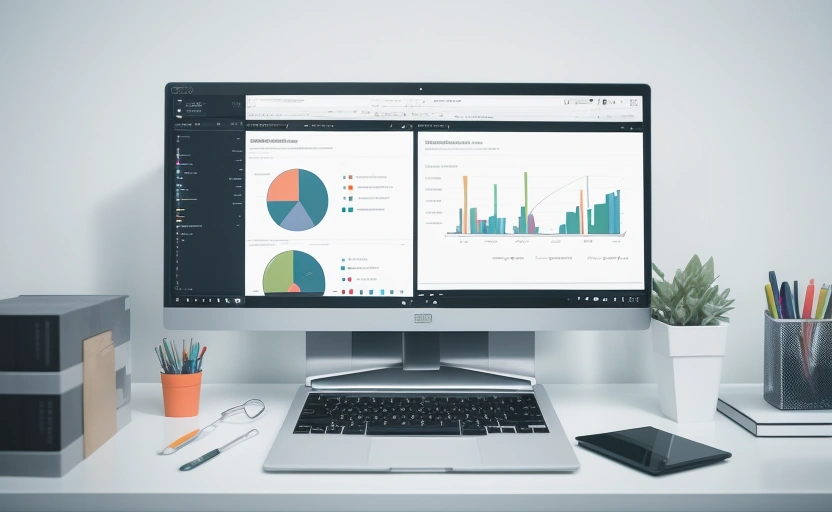
You Don't Need a Data Wizard to Understand Your Business
For years, business analytics felt like a secret language spoken only by data scientists with advanced degrees. Small business owners watched from the sidelines, wondering how to turn their growing pile of customer data into actionable insights. The truth is simpler than you think: modern analytics tools have democratized data analysis, putting powerful capabilities directly into the hands of founders, managers, and operators. At Mewayz, we've seen 138,000+ users transform their operations using our analytics module—many without any formal data training. The barrier to entry has evaporated, and the timing couldn't be better. With 89% of businesses reporting that analytics significantly improves decision-making, waiting for the "perfect" hire could mean missing crucial growth opportunities.
Why Every Business Needs Analytics—Yesterday
Analytics isn't just for Fortune 500 companies tracking global supply chains. For a small e-commerce store, it might mean identifying which products have the highest profit margins. For a local service business, it could reveal which marketing channels bring in the most valuable customers. The real power lies in connecting disparate data points that previously lived in separate spreadsheets, email inboxes, and payment processors. When you centralize this information, patterns emerge that directly impact your bottom line. One Mewayz user discovered that 70% of their high-value clients came from a specific niche blog referral—information that reshaped their entire marketing strategy and increased conversions by 34% in one quarter.
Beyond revenue insights, analytics help you optimize operations. Track employee productivity, identify process bottlenecks, and measure customer satisfaction trends. These aren't abstract concepts—they're measurable metrics that determine whether you're working smarter or just harder. The alternative? Flying blind based on gut feelings while competitors use data to pivot faster and capture market share.
What You Can Achieve Without a Data Analyst
Before diving into the setup process, let's demystify what's actually possible with today's self-service analytics tools. You might not be building machine learning models, but you can absolutely:
- Track Key Performance Indicators (KPIs): Monitor sales growth, customer acquisition costs, and revenue per client in real-time dashboards.
- Identify Customer Behavior Patterns: See which features users engage with most, where they drop off in your funnel, and what drives repeat purchases.
- Measure Marketing ROI: Connect ad spend directly to conversions across channels to stop wasting money on underperforming campaigns.
- Forecast Cash Flow: Use historical revenue data to predict upcoming expenses and revenue gaps before they become crises.
- Benchmark Team Performance: Compare current productivity metrics against historical averages to set realistic growth targets.
These aren't hypothetical capabilities—they're standard features in platforms like Mewayz that require no coding or statistical expertise. The goal isn't to replace data analysts entirely, but to handle the 80% of insights that don't require advanced expertise, freeing up resources for strategic investments.
Step-by-Step: Setting Up Your Analytics in 7 Days
This practical framework assumes you're starting from scratch with minimal technical background. Follow these steps methodically, and you'll have a functioning analytics system by week's end.
Day 1: Define Your 3-5 Critical Business Questions
Start with questions, not data. What keeps you up at night? "Which products are most profitable?" beats "analyze product data." Write down 3-5 specific questions that, if answered, would directly impact your decisions this quarter. For a subscription business, this might include: "What's our monthly churn rate?" "Which acquisition channel has the lowest lifetime value?" "How does pricing tier affect renewal rates?"
Day 2: Identify Your Data Sources
List everywhere your business data lives: your CRM (like Mewayz), payment processor (Stripe, PayPal), email platform, social media analytics, and even spreadsheet records. Most modern tools offer direct integrations—Mewayz connects with 50+ common platforms. The key is centralization; you can't analyze what you can't see together.
Day 3: Choose Your Analytics Platform
Select a tool that matches your technical comfort level. Mewayz's analytics module ($4.99/month via API) is designed for business users, not data scientists. Look for drag-and-drop dashboard builders, pre-built report templates, and intuitive visualization options. Avoid tools that require SQL knowledge or weeks of implementation.
Day 4: Build Your First Dashboard
Start simple with a single dashboard answering one key question. If your priority is sales, create a revenue tracker showing daily sales, average transaction value, and sales by product category. Use clear visualizations—bar charts for comparisons, line graphs for trends. Remember: clarity trumps complexity.
Day 5: Establish Data Hygiene Habits
Garbage in, garbage out. Implement simple rules: standardize customer naming conventions, categorize expenses consistently, and regularly audit data imports. Schedule 15 minutes weekly to spot-check for anomalies. Clean data isn't glamorous, but it's the foundation of reliable insights.
Day 6: Set Up Automated Reports
Automation prevents analytics from becoming another chore. Configure your platform to email key metrics weekly—every Monday morning, receive a PDF with last week's sales figures, website traffic, and customer growth. Mewayz users automate reports for teams, clients, or stakeholders with two clicks.
Day 7: Review and Refine
Your first dashboard won't be perfect. Review it with your team: What's confusing? What's missing? Analytics is iterative. Adjust based on feedback, and add one new metric each week to expand your visibility gradually.
The Tools That Make It Possible
You don't need a six-figure software budget. Here's the toolkit that makes DIY analytics accessible:
- All-in-One Platforms (Like Mewayz): Ideal for businesses wanting analytics integrated with their CRM, invoicing, and operations. The analytics module connects natively with other functions, providing context you can't get from standalone tools.
- Spreadsheet Power-Ups: For the budget-conscious, Excel/Google Sheets with pivot tables and basic charts can handle initial analysis. The limitation is manual data entry and lack of real-time updates.
- Visualization Tools: Platforms like Tableau Public or Google Data Studio create beautiful dashboards but often require more technical setup. Best for when you've outgrown basic tools.
- Specialized Connectors: Zapier or Make.com can link disparate apps before analysis, automating data flow between your email platform, CRM, and analytics tool.
The sweet spot for most small businesses? An integrated platform that grows with you. Mewayz's free tier includes basic analytics, while paid plans ($19-49/month) unlock advanced segmentation and forecasting.
Pitfalls to Avoid When Going Solo
Learning analytics independently comes with common missteps. Avoid these four traps:
💡 DID YOU KNOW?
Mewayz replaces 8+ business tools in one platform
CRM · Invoicing · HR · Projects · Booking · eCommerce · POS · Analytics. Free forever plan available.
Start Free →Analysis Paralysis: It's easy to track dozens of metrics that don't matter. Revisit your core business questions weekly to avoid drowning in irrelevant data. One restaurant owner tracked table turnover rates, napkin usage, and ingredient waste before realizing none impacted profitability—focusing on popular menu items and peak hours did.
Vanity Metrics: Social media likes feel good but rarely drive decisions. Instead, track conversion rates, customer lifetime value, and retention. If a metric doesn't help you make a clear decision, question its value.
Ignoring Context: A 10% sales drop seems alarming until you realize it's December and competitors dropped 25%. Always benchmark against industry averages, seasonality, and historical patterns.
Tool Hopping: Don't switch platforms monthly seeking perfection. Choose one, master it for 90 days, then reevaluate. Consistency beats features when building analytical skills.
The most powerful analytics answer isn't what happened, but why it happened and what you should do next. Context turns data into strategy.
Scaling From Basics to Strategic Insights
Once you're comfortable with basic dashboards, elevate your approach:
Correlation Analysis
Look beyond isolated metrics to find connections. Does increased social media spending correlate with higher-quality leads? Does faster response time to customer inquiries reduce churn? Tools like Mewayz highlight these relationships automatically, suggesting actions like "Customers who receive support within 2 hours are 3x more likely to upgrade."
Predictive Alerts
Move from reactive to proactive. Set thresholds that trigger alerts: "Notify me if daily revenue drops 15% below forecast" or "Flag when customer support tickets increase by 20% week-over-week." These early warnings prevent small issues from becoming emergencies.
Segment Everything
Break down aggregates into segments. Instead of "average customer value," analyze value by acquisition channel, geographic region, or product category. One SaaS company discovered their $99/month plan had higher long-term value than their $199 plan due to lower churn—intel that reshaped their pricing strategy.
When to Consider Bringing in a Pro
DIY analytics has limits. Consider hiring a data analyst part-time or as a consultant when:
- You consistently uncover insights but lack time to act on them
- Data quality issues consume more than 5 hours weekly
- You need to integrate complex systems beyond standard APIs
- Statistical modeling becomes necessary for forecasting
- You're preparing for investment rounds requiring sophisticated data storytelling
Even then, your DIY foundation makes you an informed client who can direct rather than delegate blindly. You'll understand what's possible, reasonable timelines, and how to measure their impact.
Your Data-Driven Future Starts Now
The era of inaccessible analytics is over. With the right approach and tools, you can build a data-informed culture that spots opportunities competitors miss. The businesses thriving today aren't necessarily those with the biggest budgets—they're the ones who leverage their data consistently and courageously. Start small, stay focused on decisions over data, and remember that imperfect analytics applied beats perfect analytics postponed. Your first dashboard won't win awards, but it might just reveal the insight that changes your trajectory.
Frequently Asked Questions
What's the biggest mistake businesses make when starting with analytics?
Tracking too many metrics instead of focusing on the 3-5 that directly impact key decisions. Start with your most pressing business questions, not every possible data point.
Can I really get meaningful insights without statistical training?
Absolutely. Modern tools highlight trends, correlations, and anomalies automatically. You need business context more than advanced math to interpret what matters.
How much time should analytics take each week?
Initially, 2-3 hours weekly for setup and review. Once established, automated reports and dashboards should require less than 30 minutes weekly to monitor and adjust.
What if my data is spread across different systems?
Use platforms with built-in integrations (like Mewayz connects to 50+ apps) or connectors like Zapier. Centralizing data is step one—most tools make this straightforward.
When should I upgrade from spreadsheets to a dedicated analytics tool?
When manual updates consume more than an hour weekly, when you need real-time data, or when you want to share dashboards with your team. That's usually at around 10-15 employees or $500K+ revenue.
Ready to Simplify Your Operations?
Whether you need CRM, invoicing, HR, or all 208 modules — Mewayz has you covered. 138K+ businesses already made the switch.
Get Started Free →Try Mewayz Free
All-in-one platform for CRM, invoicing, projects, HR & more. No credit card required.
Related Guide
Business Analytics Guide →Turn data into decisions with dashboards, reports, and AI-powered insights.
Get more articles like this
Weekly business tips and product updates. Free forever.
You're subscribed!
Start managing your business smarter today
Join 30,000+ businesses. Free forever plan · No credit card required.
Ready to put this into practice?
Join 30,000+ businesses using Mewayz. Free forever plan — no credit card required.
Start Free Trial →Related articles

Business Operations
How To Build A Professional Online Presence For Free
Mar 7, 2026
Business Operations
The 2026 Business Blueprint: Essential Tools, Strategy, and Operations
Mar 7, 2026
Business Operations
From Founder-Led to Fully Scaled: A No-Chaos Guide to Growing Your Team to 100
Mar 7, 2026
Business Operations
How To Use Business Software To Prepare For Investor Due Diligence
Mar 7, 2026
Business Operations
40+ Franchise Business Statistics and Technology Adoption Rates (2026)
Mar 7, 2026
Business Operations
One Dashboard to Rule Them All: How to Manage Multiple Businesses Efficiently
Mar 7, 2026
Ready to take action?
Start your free Mewayz trial today
All-in-one business platform. No credit card required.
Start Free →14-day free trial · No credit card · Cancel anytime